




Introduction
Securing funding is often the first big challenge for any entrepreneur. Knowing how to get a small business loan can be the difference between turning your idea into a successful business or facing prolonged delays. Small business loans provide essential capital for starting operations, purchasing equipment, hiring staff, or expanding existing services. Understanding the types of loans, eligibility criteria, and application strategies can make the process smoother and increase your chances of approval.
Understanding Small Business Loans
Before applying, it’s important to grasp what a small business loan actually is. A small business loan is a financial product offered by banks, credit unions, or online lenders to support the growth and operations of small enterprises. These loans vary in terms of repayment schedules, interest rates, and eligibility. Some are short-term, intended to cover immediate expenses, while others are long-term and designed for expansion or capital investment. Knowing the differences can help you choose the right loan type for your specific business needs.
Types of Small Business Loans
Different types of loans cater to different business goals. Traditional bank loans are often preferred due to lower interest rates and longer repayment terms, but they require strong credit history and detailed business plans. SBA loans, backed by the Small Business Administration, are highly competitive but provide favorable terms and lower risk for lenders. Online lenders offer faster approval processes and flexible requirements but may charge higher interest rates. Lines of credit allow you to borrow as needed, offering flexibility for managing cash flow, while equipment financing is specifically tailored for purchasing machinery or technology. Understanding these options is crucial to applying successfully.
Eligibility Criteria for Small Business Loans
Lenders evaluate applicants based on several factors. Credit score is one of the most important indicators of your reliability. A higher score improves your chances of approval and helps secure better interest rates. Business history matters too; lenders prefer companies with a proven track record. Financial statements and cash flow projections demonstrate your ability to repay the loan. Collateral may also be required for secured loans, reducing risk for the lender. Some lenders consider your business plan, market potential, and even industry type. Knowing what lenders look for can help you prepare and present a stronger application.
Preparing Your Business for a Loan Application
Preparation is key to increasing your chances of approval. Start by organizing your financial documents, including tax returns, balance sheets, profit and loss statements, and bank statements. A detailed business plan outlining your objectives, target market, and financial projections can strengthen your case. Highlight your revenue streams and explain how the loan will support growth. Address potential risks and demonstrate strategies to manage them. Being prepared not only improves credibility but also accelerates the application process, making it easier for lenders to evaluate your business.
The Application Process for a Small Business Loan
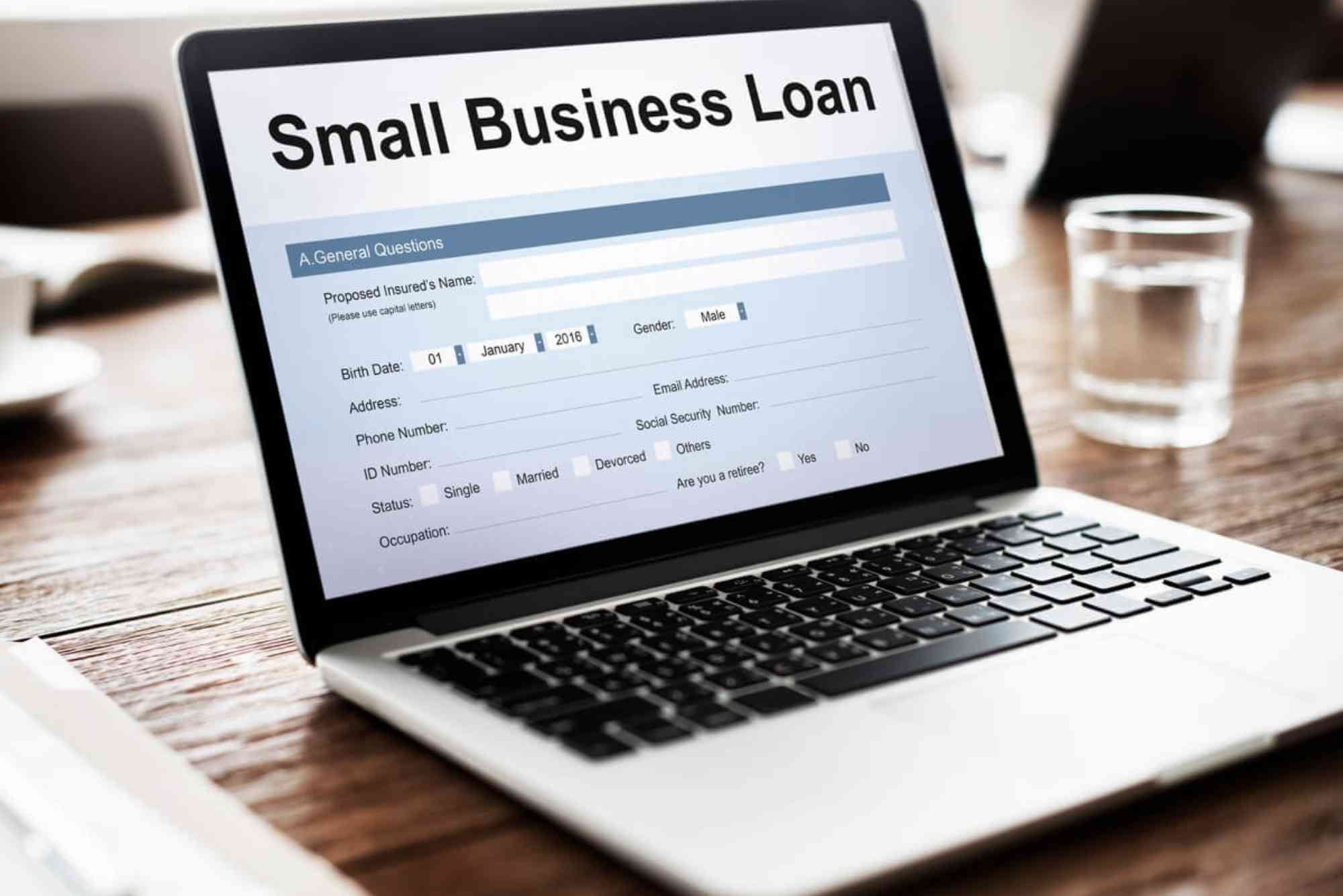
Applying for a small business loan involves several steps. Begin by selecting the type of loan that fits your needs. Research lenders and compare interest rates, terms, fees, and approval timelines. Complete the application form accurately, providing all requested documents. Be prepared for follow-up questions and additional verification. Some lenders may conduct interviews or site visits. The key is transparency and readiness — showing lenders that your business is well-managed and capable of repaying the loan. After submission, the review process can take days to weeks depending on the lender and loan type.


Tips for Increasing Loan Approval Chances
Improving your likelihood of approval involves more than just having a solid business plan. Maintaining a good personal and business credit score is crucial. Avoid late payments on existing obligations and reduce outstanding debts where possible. Demonstrate consistent revenue and cash flow, and ensure your financial statements are accurate. Present a clear purpose for the loan and explain how it will contribute to growth. If possible, offer collateral or a personal guarantee to reduce lender risk. Consulting with a financial advisor or mentor can provide valuable insights and improve your application quality.
Common Challenges When Applying
Many small business owners face obstacles during the loan application process. Weak credit history, insufficient documentation, or unclear business plans are common reasons for rejection. Some industries may be viewed as higher risk, making lenders more cautious. Economic conditions can also influence lending decisions. Preparing in advance and addressing these potential issues proactively can reduce the risk of rejection. Learning from past experiences and refining your approach can improve success in future applications.
Alternatives to Traditional Loans
If traditional loans are not feasible, consider alternative funding options. Crowdfunding platforms allow businesses to raise capital from a broad audience, often in exchange for rewards or equity. Angel investors and venture capitalists provide funding to businesses with high growth potential, though they often require a share of ownership. Microloans offer smaller amounts with simpler approval processes, ideal for startups and small ventures. Grants from government or private organizations can provide non-repayable funding for specific purposes. Exploring these alternatives ensures you have multiple avenues to secure financing.
Managing Your Loan Effectively
Receiving a small business loan is just the first step; proper management is crucial. Create a repayment plan and monitor cash flow closely to ensure timely payments. Use the funds strictly for the purpose stated in your application to avoid financial strain. Regularly review your financial statements and adjust spending as needed. Effective management not only helps your business grow but also builds credibility with lenders, improving chances for future loans or refinancing.
Conclusion and Call to Action
Understanding how to get a small business loan requires research, preparation, and strategic planning. Knowing your options, meeting eligibility requirements, and presenting a solid business plan are essential to success. Proper management and responsible use of funds ensure long-term growth and positive relationships with lenders. If you are ready to take your business to the next level, start by evaluating your financial position, gathering documents, and exploring suitable loan options. The right loan can empower your business and open doors to new opportunities. Apply confidently and watch your business thrive.
Understanding what is a loan is essential for managing personal or business finances. Loans provide access to funds for urgent needs or investments, but knowing the terms, interest rates, and repayment options is crucial. Learn more about what is a loan to make informed financial decisions.
FAQ Section
What is the easiest small business loan to get?
Online lenders and microloans are generally easier to obtain due to flexible requirements and faster approval.
How much can a small business borrow?
Loan amounts vary by lender and business profile, ranging from a few thousand to several million dollars.
Do small business loans require collateral?
Some loans are secured and require collateral, while others, like certain SBA loans or online loans, may be unsecured.
Can startups get a small business loan?
Yes, startups can qualify, especially through microloans, SBA programs, and online lenders with flexible criteria.
How long does it take to get a small business loan approved?
Approval times range from a few days for online lenders to several weeks for traditional banks and SBA loans.
What credit score is needed for a small business loan?
Most lenders prefer a score above 650, though some online lenders accept lower scores with other compensating factors.
Can a business loan improve my credit score?
Yes, timely repayments on a business loan can positively impact your credit score and strengthen your financial credibility.
