




How Much Is Tax in Ontario?
Taxes are an essential part of living and working in Ontario. Whether you’re an employee, a business owner, or a homeowner, understanding the tax system helps you plan your finances effectively. Many people ask, “How much is tax in Ontario?” because rates can vary depending on income, purchases, and property. This article provides a clear and detailed overview of taxes in Ontario, helping you make informed financial decisions.
Income Tax in Ontario
Income tax in Ontario is applied at both federal and provincial levels. Your total tax depends on your earnings, deductions, and credits.
Federal and Provincial Tax Rates
Canada has a progressive tax system, and Ontario follows it as well. Federal income tax starts at 15% for lower incomes, increasing progressively as income rises. Ontario’s provincial tax is also progressive, starting at 5.05% for lower income brackets and reaching higher percentages for higher earnings. The combination of federal and provincial tax determines your total tax liability.
How Taxable Income Is Calculated
Your taxable income is not your total earnings. It’s calculated after deductions such as RRSP contributions, childcare expenses, and employment expenses. Tax credits, such as the basic personal amount, further reduce the amount you owe. Knowing how taxable income is calculated is key to estimating how much tax in Ontario you will pay.
Filing Requirements
Residents of Ontario must file a personal income tax return annually. Filing ensures you pay the correct amount of tax and allows you to claim refunds for overpayments. Filing deadlines typically fall in late April for most individuals.
Sales Tax in Ontario
Ontario applies a Harmonized Sales Tax (HST) on most goods and services. HST combines federal and provincial portions into a single rate, simplifying the tax system.


HST Rate
The HST in Ontario is 13%, with 5% going to the federal government and 8% to the province. This tax applies to most retail purchases, restaurant bills, and services. Some items, like basic groceries and prescription drugs, are exempt or zero-rated. Understanding which items are taxed can help you budget effectively.
Impact on Consumers and Businesses
Consumers pay HST on taxable purchases, while businesses collect the tax and remit it to the government. Businesses can also claim input tax credits for HST paid on business-related purchases. This system ensures that taxes are passed through efficiently without double taxation.
Property Tax in Ontario
Property tax is a key source of revenue for municipalities. It is calculated based on the assessed value of your property.
How Property Tax Is Determined
Municipalities assess property values using recent sales and property characteristics. Each municipality sets a tax rate that applies to your property’s assessed value. The rate varies depending on location, property type, and municipal budget needs.
Reducing Property Tax Burden
Homeowners can explore tax credits, rebates, or exemptions to reduce their property tax. Seniors, low-income households, and certain professions may qualify for partial relief. Consulting your local municipality can help you understand eligibility and benefits.
Other Taxes in Ontario
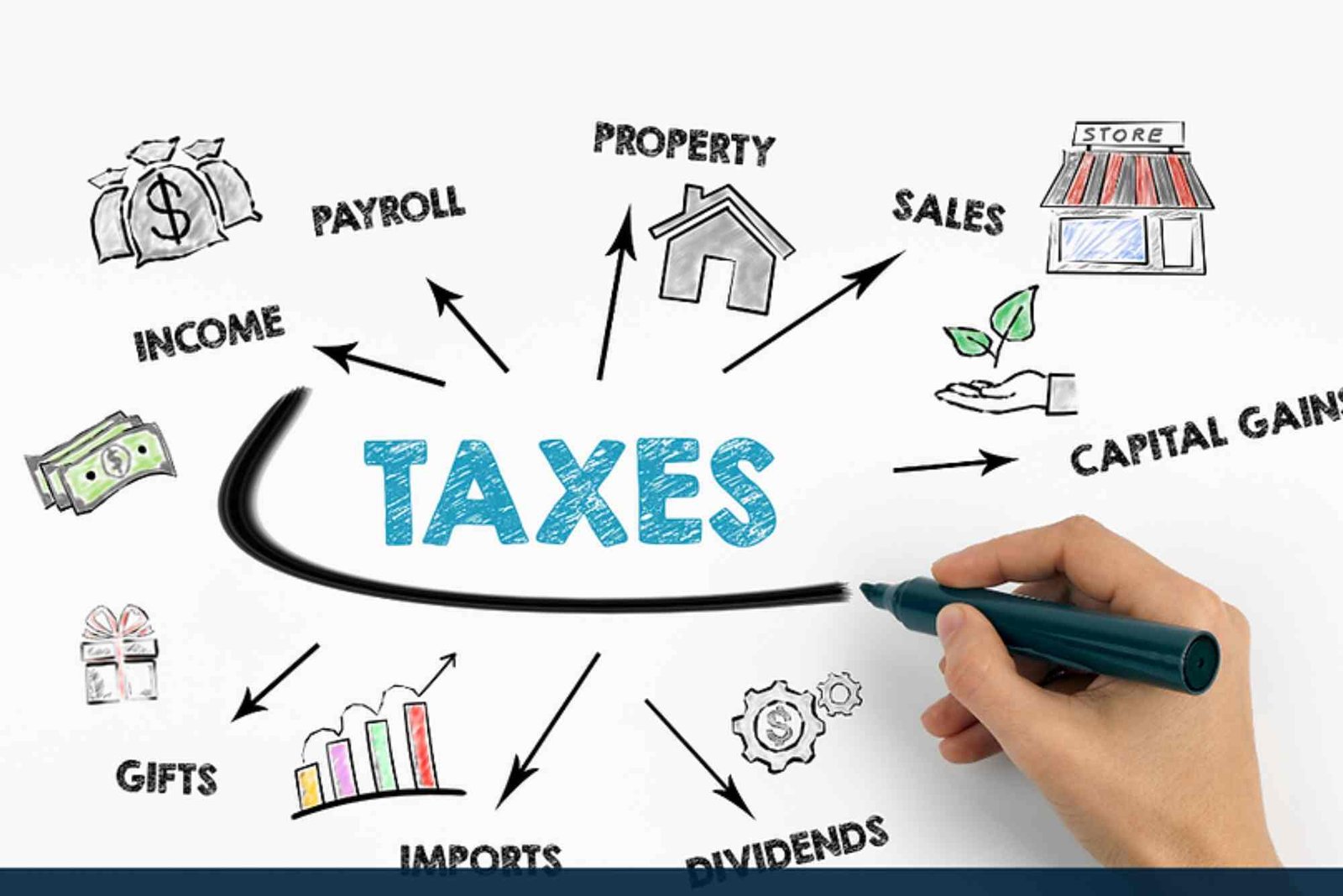
Besides income, sales, and property taxes, Ontario residents may encounter additional taxes. These include payroll taxes, fuel taxes, and capital gains tax. Each tax type has specific rules, exemptions, and filing requirements. Being aware of all potential taxes helps in comprehensive financial planning.
Payroll Taxes
Employers deduct Canada Pension Plan contributions, Employment Insurance premiums, and income tax from employees’ paychecks. Understanding payroll taxes ensures employees know how much of their income is withheld.
Capital Gains and Investment Taxes
Profits from investments or selling property may be subject to capital gains tax. Only 50% of capital gains are taxable, and they are included in your income for tax purposes. Proper planning can minimize tax liability while optimizing returns.
Tax Tips for Ontario Residents
Knowing tax rules is essential, but implementing strategies can save money. Maximize deductions, claim all eligible credits, and plan your finances according to Ontario tax guidelines. Seeking professional advice ensures compliance and can reduce your tax burden.
Understanding “How much is tax in Ontario?” is crucial for managing personal and business finances. From income tax to sales and property tax, knowing the rates, exemptions, and credits helps you make informed decisions. Being proactive with tax planning can save money and avoid surprises.
Take control of your finances today by reviewing your tax obligations and exploring all available credits and deductions. For detailed guidance, consult a certified tax professional or visit official government resources to ensure accuracy.
financer.ae is a modern online platform designed to simplify financial decisions for individuals and businesses. It connects users with trusted loan providers, financial tools, and expert guidance, helping them compare options easily. With a user-friendly interface and reliable resources, financer.ae supports smarter borrowing, better financial planning, and secure transactions, making it a valuable destination for managing personal and business finances effectively.
FAQ
How much tax do I pay on income in Ontario?
Your income tax depends on your earnings, deductions, and tax credits. Federal rates start at 15%, and Ontario’s provincial rates start at 5.05%. Higher income results in higher combined rates.
Is HST included in all purchases in Ontario?
Most purchases are subject to the 13% HST, but basic groceries, prescription drugs, and some medical devices are exempt.
How is property tax calculated in Ontario?
Property tax is based on your property’s assessed value and the municipal tax rate. Each municipality sets its rate according to its budget and services.
Can I reduce my tax in Ontario?
Yes, by claiming deductions, credits, and exemptions. Seniors, low-income residents, and certain professions may be eligible for additional relief.
Do businesses pay HST in Ontario?
Businesses collect HST on sales and can claim input tax credits for HST paid on business-related expenses. This ensures proper compliance and avoids double taxation.